

Where It Started: My Coaching Journey
Updated: Jan 14
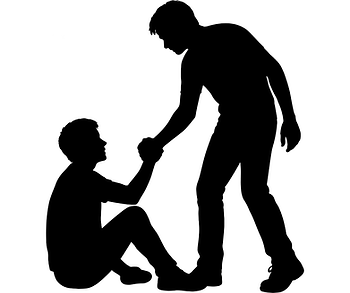
I have always felt that it is a major privilege being a safe person for people to talk to. Earning the trust of someone so much so that they open up and share their dreams and wins, but also their hurts and losses.
There is one major period in time when I supported and coached someone through something that would forever change my life.
It was when I realized that coaching is something I am meant to do.
Quick backstory: in 2020, my best friend was diagnosed with stage 3C2 cervical cancer (at 30 years old). Her odds were terrible. Then, in 2023, she was diagnosed with breast cancer, which while was diagnosed at an earlier stage, required a longer and more aggressive treatment plan: surgery, 6 months of chemo, 28 rounds of radiation and then surgery again.
She and her husband didn't have time to heal from one before being thrown into the other.
And while it was my best friend who was facing the treatment, it was her husband who made sure she knew that getting better was her only job, and that he'd take care of the rest. The rest being: working a job that he hated at the time, paying bills on one income (of course she was self-employed, so no EI was available), and most importantly, taking care of their then three-year-old.
He was the person taking care of my person, and if he wasn't okay, she wouldn't be okay.
It became one of my main missions during that dark time to be a solid support to her husband. Let's be real...taking care of someone going through a time of illness means that person may not be the best version of themselves, no matter how hard they try. That means, he needs someone to work through it with, because it sure as hell wasn't going to be her! Interestingly enough, he was also on his own journey of self-discovery with a recent diagnosis of ADHD.
And while it was also my most difficult time, realizing I had foundationally impacted their journey, it was the most rewarding.
When someone you love is facing cancer, you don’t get to show up halfway. You show up with everything you have, even if your “everything” doesn’t look the same every day.
That time taught me more about being present, steady, and emotionally available than anything I’ve ever read in a book. It also taught me to hold space for profoundly sad and scary conversations.
I didn’t know it then, but that experience shaped the kind of coach I am now. I am someone who can sit with intense emotions, uncertainty, fear, and hope, all at the same time. Someone who doesn’t flinch at complexity. And someone who offers support before it needs to be asked for.
At the same time, I was trying to manage parts of my own life that were incredibly hard.
Being neurodivergent with a complex condition like type 1 diabetes isn’t a cute personality quirk. It’s hard, daily work. It’s decision fatigue (did you know diabetics make an average of 180-300 extra decisions a day?) layered onto emotional fatigue layered onto the constant overwhelm of trying to be a functioning adult in a world that doesn’t leave much room for nuance.
My burnout was about having to juggle medical management, masking, sensory overload, productivity expectations, workplace politics, the concern for the life of my best friend, and everything that went with it.
Managing diabetes while managing chronic overwhelm was like trying to obey a manual written for a machine I didn’t actually operate.
Once I understood my stripes, it didn’t make things easier overnight. It just helped me realize that a zebra needs different adjustments to make life work.
And that’s why I coach: because so many people are carrying complexity they can’t explain, name, or validate. And so many people just need someone to walk alongside them.
Supporting my people through cancer, supporting myself through burnout and diagnosis, and learning how to navigate my own wiring all pushed me toward the same realization:
People don’t need fixing. They need validation, understanding, tools and environments that let them breathe. They're not broken, just bent.
I want to help neurodivergent people understand themselves the way I eventually learned to understand myself: compassionately, honestly, and without shame. I want to help people move from survival mode into something better. Something sustainable. Something that feels like an actual life. To move beyond surviving and into thriving.
So this is why I coach: because I’ve supported people through the hardest chapters of their lives, because I’ve lived through my own, and because I know how life-changing it is to finally understand yourself, and to be understood.
If I can help even one person feel less alone in that process, then everything I went through will have meant something.
Alex Knight
President & Neurodiversity Specialist
Iron & Ember Consulting
Written without AI


Comments